Storm Project: Real-Time Sports Data Processing for Sports Intelligence
Transforming real-time sports signals into competitive intelligence

Real-Time Sports Data for Faster Sports Intelligence
Storm Project explores how live sports data is collected, processed, and transformed into the experiences fans use every day, from lineup updates and injury alerts to betting odds, player props, projections, and matchup analysis. It is designed to explain the systems and workflows that sit behind the sports information users rely on most. By focusing on speed, structure, and context, the site connects technical data processes to real fan-facing value.
Understand the systems behind faster, smarter sports decisions. See how modern sports platforms turn live updates into tools, analysis, and actionable insights.

How Real-Time Sports Data Processing Works
Real-time sports data processing is the practice of ingesting, organizing, evaluating, and reacting to sports information as it changes. It combines technical infrastructure with sports context so that incoming data can be translated into something useful instead of remaining a raw signal. This process is essential for platforms that need to stay current throughout the day, especially around lineup lock, injury reporting windows, and market movement.
That includes signals such as:
- projected and confirmed lineups
- injury and availability updates
- odds movement and market changes
- player role and usage shifts
- game status changes
- play-by-play events
- weather and scheduling updates
- matchup and projection inputs
The goal is not just speed. It is turning fast-moving information into context people can actually use. A strong system does more than detect change; it helps explain the impact of that change on projections, prices, and expectations.
A lineup update matters because it affects minutes, usage, and matchup outlook. An injury report matters because it changes roster expectations and market behavior. A prop move matters because it reflects a shift in projected opportunity. Processing is what connects the update to the meaning behind it. Without that added layer of interpretation, even fast data can still be incomplete or misleading.

Why Speed Matters in Sports
In sports, timing shapes value. The usefulness of sports intelligence often depends on whether it reaches users before a key decision has to be made. Speed is not just a technical advantage; it is a practical one that affects betting, fantasy, and analysis outcomes.
A late scratch can change an entire DFS slate. A lineup confirmation can shift prop markets. A weather update can alter game environments. A role change can affect projections before the broader market fully reacts. In many cases, the difference between a strong decision and a stale one comes down to how quickly information is processed and surfaced.
The faster a platform can process meaningful information, the faster it can surface relevant insight. That allows users to act with a clearer understanding of both the update itself and the likely impact behind it.
That matters across every major sports use case. Whether someone is building lineups, researching props, or tracking a team matchup, access to current information improves the quality of the decision.
Fantasy Sports
Players need current lineup, injury, and workload context before contests lock. Even a single rotation change can alter value across an entire roster and shift the shape of a slate. Timely information helps users make adjustments before those opportunities disappear.
Sports Betting
Markets move quickly, and delayed information creates weaker decisions. Real-time updates help explain why a number is changing and whether the movement reflects a meaningful shift in team or player outlook. This gives bettors more context than the odds alone can provide.
Player Props
Usage, attempts, minutes, and matchup changes can impact player value in real time. Prop markets often respond quickly, but not always perfectly, which makes current context especially important. A strong data process helps users evaluate both opportunity and timing.
Matchup Analysis
Team context changes when starters are ruled out, roles expand, or pace and game environment shift. Matchups are rarely static, especially close to game time. Real-time data helps analysts stay aligned with the most current version of the game environment.
Alerts and Content
Sports platforms need fast, accurate updates that users can trust when the information matters most. Timeliness improves both product quality and editorial relevance. Users are more likely to return to platforms that consistently surface the right update at the right moment.
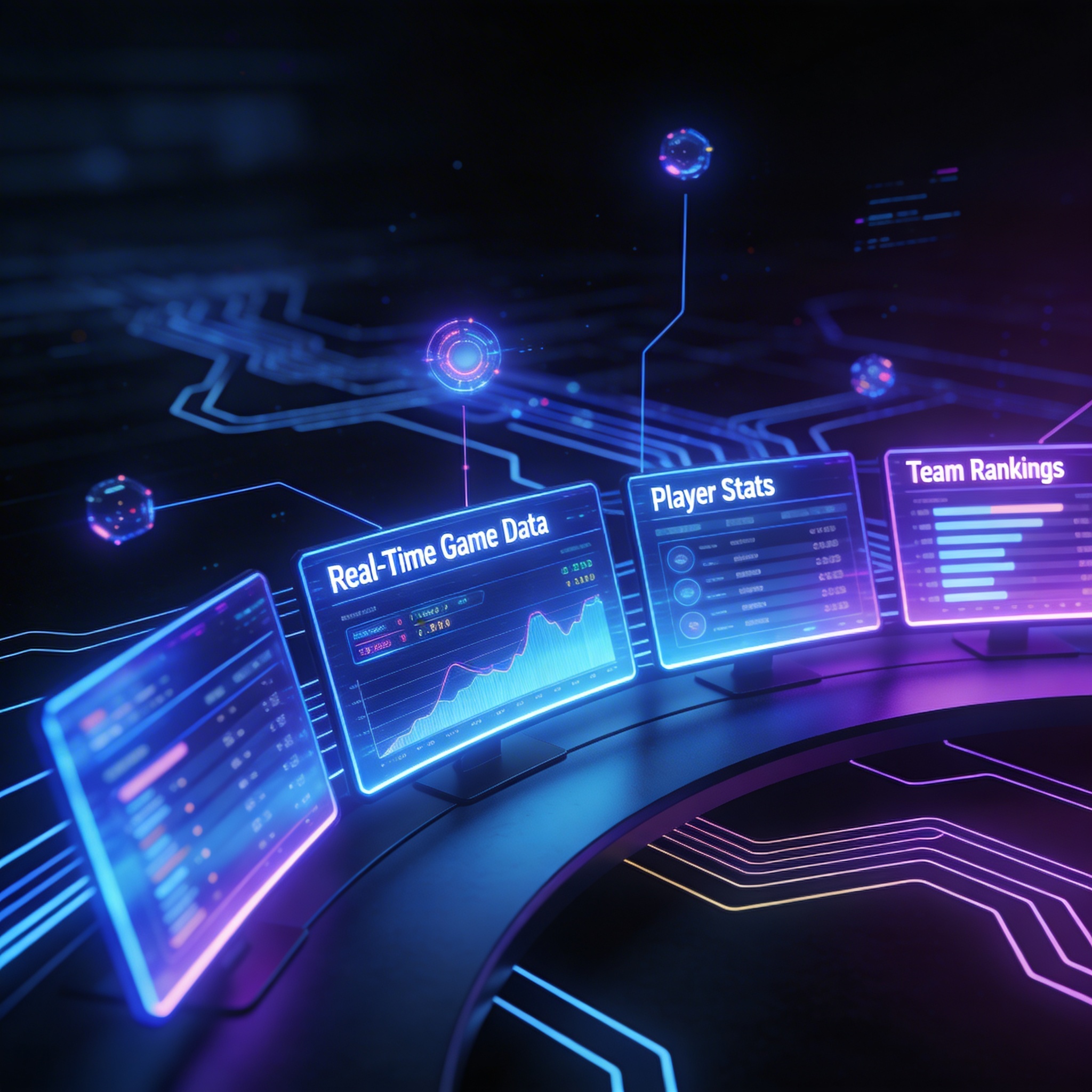
Core Sports Data Use Cases
Live Lineup Updates
Track projected starters, confirmed lineups, and late changes across major sports. Real-time processing helps identify not only who is in or out, but how those changes affect the rest of the roster. It also creates a faster path from team news to lineup pages, alert systems, and downstream analysis.
Injury and Availability Intelligence
Turn questionable tags, inactive reports, practice designations, and late scratches into useful context. Availability becomes more valuable when it is tied to role, usage, and expected impact. That added context helps users understand whether a status update is minor noise or a meaningful change.
Odds and Market Movement
Monitor spreads, totals, moneylines, and prop shifts as sportsbooks react to new information. The advantage comes from understanding both the movement and the reason behind it. Market data becomes much more useful when it is paired with the sports signals driving the change.
Stats and Projection Systems
Live updates improve projections by feeding in current information about expected playing time, role changes, matchup context, and team environment. Projection models are stronger when they reflect live conditions instead of static assumptions from earlier in the day. This allows sports tools to remain more accurate as news develops.
Matchup and Game Environment Analysis
Raw data becomes more useful when it is connected to pace, opponent tendencies, positional context, historical patterns, and likely game script. The best analysis platforms do not treat updates in isolation. They place every update inside the broader framework of how a game is expected to unfold.
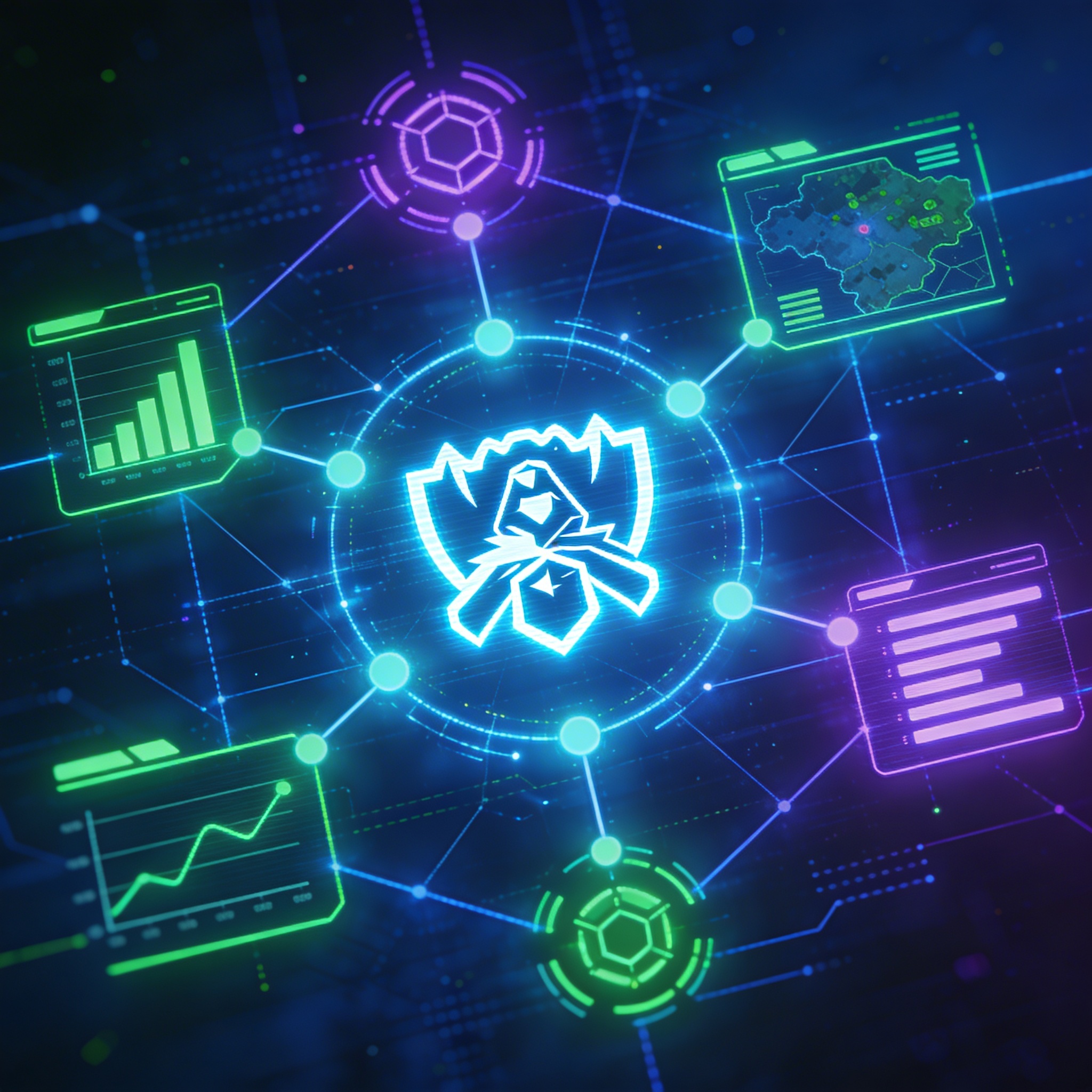
From Raw Feeds to Actionable Sports Intelligence
Modern sports products rely on more than data feeds. They rely on systems that convert live information into structured, timely, fan-facing insight. The process is what makes the difference between a stream of updates and a usable sports product. It is also what allows teams to maintain consistency across multiple tools and content experiences.
A typical real-time sports data pipeline includes:
Data Sources
Official league feeds, injury reports, lineup updates, odds providers, schedules, weather inputs, and play-by-play events. No single source tells the full story, which is why strong systems combine multiple inputs. A broader source mix usually leads to better context and stronger validation.
Ingestion
Capturing updates from multiple sources as they happen. This step is about speed, reliability, and source management. The system needs to pull in information continuously without losing important events or introducing unnecessary delay.
Normalization
Standardizing names, timestamps, statuses, team identifiers, and event formats. Normalization makes it possible to compare, connect, and act on information from different providers. Without it, even high-quality data can be difficult to use at scale.
Processing and Event Detection
Identifying meaningful changes such as a starter being ruled out, a projected role increase, or a major line move. This is where systems separate signal from noise. Good detection logic helps platforms focus attention on updates that actually affect decisions.
Contextual Enrichment
Connecting the event to matchup data, projections, usage trends, and player and team context. This layer adds the “why it matters” element that users care about most. Enrichment turns updates into explanations instead of just notifications.
Fan-Facing Output
Publishing the result through lineup pages, injury trackers, odds dashboards, matchup tools, prop analysis, alerts, and editorial content. This is the public-facing side of the workflow. The quality of the output depends on how well every earlier step is handled.
This is the point where live sports data becomes usable sports intelligence. It is the layer where speed, structure, and sports knowledge come together. For users, this is where technical processing becomes practical value.
Key Data Inputs That Shape Sports Coverage
The best sports intelligence platforms do not rely on a single feed. They combine multiple data inputs to produce a more complete view of what is happening before and during a game. The more effectively those inputs work together, the more useful the final product becomes. Good coverage depends on both breadth of data and clarity of interpretation.
Important inputs include:
Lineup and Roster Data
Projected starters, confirmed lineups, depth chart movement, and substitution patterns shape expectations across fantasy, betting, and editorial analysis. These changes often influence opportunity faster than any other signal. They are especially important in sports where role changes immediately affect usage and minutes.
Injury and Availability Reports
Practice status, questionable tags, game-time decisions, and inactive lists can drive major changes in projections and market behavior. Not every injury update has the same impact, which is why interpretation matters. A strong system helps distinguish routine maintenance from meaningful player absence.
Betting Market Data
Spreads, totals, moneylines, and player props reveal how sportsbooks and bettors are reacting to new information. Market behavior can serve as both an input and a confirmation signal. When paired with lineup and injury data, it becomes much easier to understand what the market is pricing in.
Performance and Tracking Data
Player stats, pace, usage, efficiency, and play-by-play events help translate updates into likely outcomes. These metrics provide the performance backbone for projections and matchup analysis. They also make it easier to quantify how important a new development may be.
Schedule and Environment Data
Travel spots, rest disadvantages, weather, venue effects, and back-to-backs all matter when evaluating game context. These variables often shape outcomes in ways that raw box-score data does not fully capture. Including them leads to more complete and realistic analysis.
Bringing these data points together is what allows sports platforms to move beyond raw updates and toward useful, decision-ready insight. It also helps create a more stable system for analysis when any one source is incomplete or delayed.
How Real-Time Sports Data Supports Betting Decisions
Real-time sports data plays a major role in modern betting analysis. Odds do not move in a vacuum. They respond to lineup changes, injury news, weather shifts, market pressure, and changing expectations around player usage and game environment. Understanding those inputs gives bettors a better chance to evaluate whether a move is justified or worth reacting to.
When sports data systems process those updates quickly, they help surface the context behind the number. That context is often more valuable than the movement alone. It provides a clearer picture of what changed and whether the market may still be adjusting.
Line Movement Analysis
A spread, total, or moneyline shift often reflects new information entering the market. Real-time processing helps connect that move to the likely cause, whether it is a key injury, lineup adjustment, or game environment change. This gives users a more informed view of market timing and direction.
Player Prop Context
Prop markets are especially sensitive to role changes, usage trends, and availability updates. A minutes increase, a starting role, or a teammate absence can quickly reshape player expectations. Real-time context helps users understand when a prop move reflects a meaningful opportunity.
Timing and Market Efficiency
The value of sports betting information depends heavily on timing. When updates are processed and surfaced quickly, users can evaluate changes before the market fully settles. In fast-moving markets, even small timing advantages can matter.
Better Decision Support
The goal is not simply to track odds. It is to pair market movement with the sports context that makes the movement meaningful. That combination leads to stronger research, better interpretation, and smarter betting decisions.
How Real-Time Data Improves Player Projections
Player projections are strongest when they reflect current conditions instead of static assumptions. Real-time sports data helps projection systems stay aligned with what is actually happening across a slate, game, or market. This is especially important in environments where player value can change dramatically within minutes. A dynamic process gives projections a better chance of staying accurate throughout the day.
Role and Usage Changes
A player stepping into a larger role can see immediate changes in minutes, touches, shot volume, or opportunity. Real-time systems help identify those changes early and feed them into projections. This allows models to respond more quickly to shifts that may not yet be fully reflected elsewhere.
Lineup-Driven Adjustments
When starters are ruled out or rotations shift, the effect spreads across the roster. Projections improve when they account for usage redistribution, replacement roles, and changing team context. A single lineup update often has ripple effects that reach well beyond the player directly involved.
Matchup and Game Environment Updates
Projection models become more useful when they adjust for pace, opponent tendencies, weather, total changes, and other context that develops closer to game time. Late information can materially change the expected environment. Updating for those variables keeps projections more grounded in current conditions.
Dynamic Rather Than Static Forecasting
The best systems treat projections as living estimates. They evolve as new information arrives, helping users work with sharper expectations instead of outdated assumptions. This makes projections more relevant for both research and decision-making close to lock.
Real-Time Sports Data Challenges
Processing sports data in real time is not only about receiving information quickly. It also requires systems that can manage inconsistency, noise, and constant change. The technical challenge is matched by an interpretive one: deciding which updates deserve action and which do not. Strong sports data systems are built to handle both.
Some of the biggest challenges include:
Conflicting Updates
Different sources may report slightly different statuses, timestamps, or lineup expectations. Systems need rules to validate and prioritize the most trustworthy signal. Without clear source hierarchy and review logic, conflicting information can create confusion instead of clarity.
Latency and Timing
A fast update is valuable only if it reaches users quickly enough to matter. Timing is critical around lineup lock, market movement, and late-breaking injury news. Even accurate information loses value when it arrives after the decision window has passed.
Data Normalization
Player names, team labels, event descriptions, and status wording often vary by source. Standardization is essential for reliable outputs. It also makes it easier to scale a system across multiple sports, providers, and product surfaces.
Context Loss
Raw alerts without context can mislead users. A strong system explains not just what changed, but why it matters for projections, betting value, and matchup analysis. The best platforms reduce noise by pairing updates with relevance.
Scalability Across Sports
NFL, NBA, MLB, NHL, and college sports all behave differently. A flexible data process must adapt to the pace and reporting style of each sport. Systems that scale well are built with sport-specific logic, not one-size-fits-all assumptions.
The strongest sports data systems are built to handle those challenges while still delivering updates that are clear, timely, and actionable. That balance is what separates a reactive feed from a reliable sports intelligence platform.
Sport-Specific Real-Time Applications
NFL
Depth chart movement, injury designations, inactive reports, weather, and prop market shifts all influence weekly analysis and game-day decision-making. Because NFL information often builds over several days, context accumulation matters as much as speed. Real-time processing helps connect late-week developments to final projections and betting outlooks.
NBA
Starting lineups, rest patterns, late scratches, usage changes, and minutes volatility make NBA one of the most reactive environments in sports data. Small updates can reshape an entire slate in minutes. That is why NBA tools depend so heavily on fast lineup and role processing.
MLB
Confirmed lineups, batting order changes, probable pitchers, bullpen context, and weather updates all affect projections, betting angles, and player expectations. Baseball is especially sensitive to lineup order and pitching information. Real-time processing helps users adjust as those inputs become official.
NHL
Starting goalies, line combinations, injuries, and special teams roles shape matchup analysis and pregame value. Changes in goalie status or line deployment can shift both team outlook and player opportunity. Timely updates are important for both sides and totals as well as prop evaluation.
College Sports
Roster uncertainty and inconsistent reporting make fast, structured data processing especially valuable for accurate coverage. Information gaps are more common, which raises the importance of validation and context. Strong systems help create clarity in a landscape that can otherwise be uneven and fragmented.
Why Real-Time Data Matters to Sports Users
Fans do not interact with raw data streams. They interact with products built on top of them. What users actually see is the result of data pipelines, interpretation logic, and delivery systems working together. The better those systems perform, the more useful the final experience becomes.
They use:
- lineup pages
- injury trackers
- projection models
- matchup breakdowns
- odds dashboards
- prop research tools
- game previews
- alerts and notifications
The quality of those experiences depends on the system behind them. Accurate outputs require more than fast feeds; they require trustworthy processing and meaningful context. That is what makes a platform feel dependable to the end user.
Storm Project focuses on the process that powers those products, transforming live sports data into faster, clearer, more actionable analysis. It highlights the mechanics behind the information layer that supports fantasy, betting, and sports research. In that way, it connects technical execution to everyday sports decision-making.
The Future of Real-Time Sports Intelligence
Real-time sports intelligence continues to evolve as platforms process more data, reduce latency, and build more context into the products fans use every day. The next phase of growth will not be about speed alone. It will also be about smarter prioritization, stronger interpretation, and better integration across tools.
Smarter Alerts
Future systems will do more than push updates. They will prioritize which alerts matter most and explain their likely impact on lineups, projections, and markets. This will help users focus on signal instead of being overwhelmed by noise.
More Contextual Automation
Sports platforms are moving toward workflows that automatically connect raw updates to player outlooks, matchup changes, and betting implications without requiring manual interpretation. That kind of automation can improve both scale and consistency. It also creates a more seamless user experience across products.
Broader Data Integration
The next generation of sports intelligence will combine official data, tracking signals, market movement, historical patterns, and contextual modeling into a more complete view of each game. Richer inputs should lead to sharper outputs. The challenge will be combining those layers without losing clarity.
Faster Fan-Facing Products
As data systems improve, users can expect lineup pages, injury tools, projection models, odds dashboards, and prop research products to become faster, more precise, and more actionable. Better infrastructure will increasingly shape product quality. In competitive sports markets, that improvement can be a major differentiator.
Featured Topics in Real-Time Sports Data
Live Lineup Data Processing
How projected and confirmed lineups are collected, validated, updated, and published. This topic explores the systems that help turn lineup news into usable information. It is one of the clearest examples of real-time data affecting fan decisions.
Real-Time Injury Alerts
Why availability changes are among the most important inputs in sports analytics. Injury data influences projections, betting markets, and roster expectations at once. A strong alerting system helps users react without losing context.
Sports Odds Data Pipelines
How betting market movement is captured, processed, and turned into usable information. This includes both the speed of update collection and the logic used to interpret what a move means. It is a core topic for betting-focused products and analysis.
Player Props and Live Context
How news, role changes, and usage shifts influence prop markets and player expectations. Prop analysis becomes stronger when it reflects current opportunity instead of stale assumptions. Real-time processing helps keep that context fresh.
Dynamic Projection Systems
Why projections are stronger when they react to real-time inputs instead of static assumptions. This area shows how models become more useful when they respond to lineup news, matchup shifts, and changing conditions. It also highlights the value of continuous updating in sports analysis.
Why Storm Project Exists
Real-time sports data processing sits at the center of modern sports coverage. It influences how platforms publish updates, how users make decisions, and how sports information is turned into products. That makes it a foundational layer for fantasy, betting, and analytical experiences.
It powers lineup updates, injury intelligence, matchup tools, betting analysis, player props, and projection systems. It turns live signals into decisions, context, and insight. In practical terms, it is what allows sports users to move from raw news to informed action.
Storm Project exists to explain that process: how sports data moves from raw input to meaningful output, and why that transformation matters. It is meant to bridge the gap between back-end systems and front-end sports experiences. By doing that, it helps make complex sports data workflows easier to understand and more relevant to real users.
Latest
View all →The Complete Guide to Esports Scholarships in 2025
Esports scholarships are transforming college gaming, offering talented players financial support to compete at the collegiate level. This comprehensive guide covers everything you need to know about securing esports scholarships in 2025.
Best Refresh Rate for Gaming: Find Your Perfect Match
Choosing the right refresh rate can dramatically improve your gaming experience. This comprehensive guide breaks down what refresh rate is, how it affects gameplay, and helps you find the perfect match for your gaming style and hardware.
The Ultimate Guide to Fortnite Settings: Maximize Your Performance
Learn the optimal Fortnite settings used by professional players to improve your gameplay, increase FPS, and gain a competitive edge. This comprehensive guide covers everything from sensitivity and keybinds to hardware recommendations.