Overwatch 2 vs Valorant: Which FPS Game Should You Play?
Overwatch 2
Pros
- ✓Fast-paced, action-packed gameplay with constant movement
- ✓Diverse hero abilities create unique team compositions
- ✓Shorter match times (typically 10-15 minutes)
- ✓Cross-platform play between PC, PlayStation, Xbox, and Switch
- ✓Free-to-play with all heroes unlocked from the start
Cons
- ✗Less strategic depth compared to tactical shooters
- ✗Matches can feel chaotic and hard to follow
- ✗Limited competitive scene after Overwatch League restructuring
- ✗Frequent balance changes can disrupt meta
- ✗Team composition often more important than individual skill
Valorant
Pros
- ✓Deep tactical gameplay requiring strategic thinking
- ✓Precise gun mechanics reward individual skill
- ✓Strong competitive scene with structured tournaments
- ✓Clear objectives and round-based format
- ✓Agent abilities add tactical depth without overshadowing gunplay
Cons
- ✗Matches can be slow with frequent downtime between rounds
- ✗Steep learning curve for new players
- ✗Higher system requirements for competitive play
- ✗Free-to-play model with battle pass for agents
- ✗Toxic community in ranked play
Overwatch 2 vs Valorant: Which FPS Game Should You Play?
Choosing between Overwatch 2 and Valorant can be challenging, especially when both games offer unique experiences within the FPS genre. Whether you're looking for a fast-paced hero shooter or a tactical, strategy-driven experience, understanding the key differences between these two popular titles is crucial for making the right choice.
Gameplay Style and Pacing
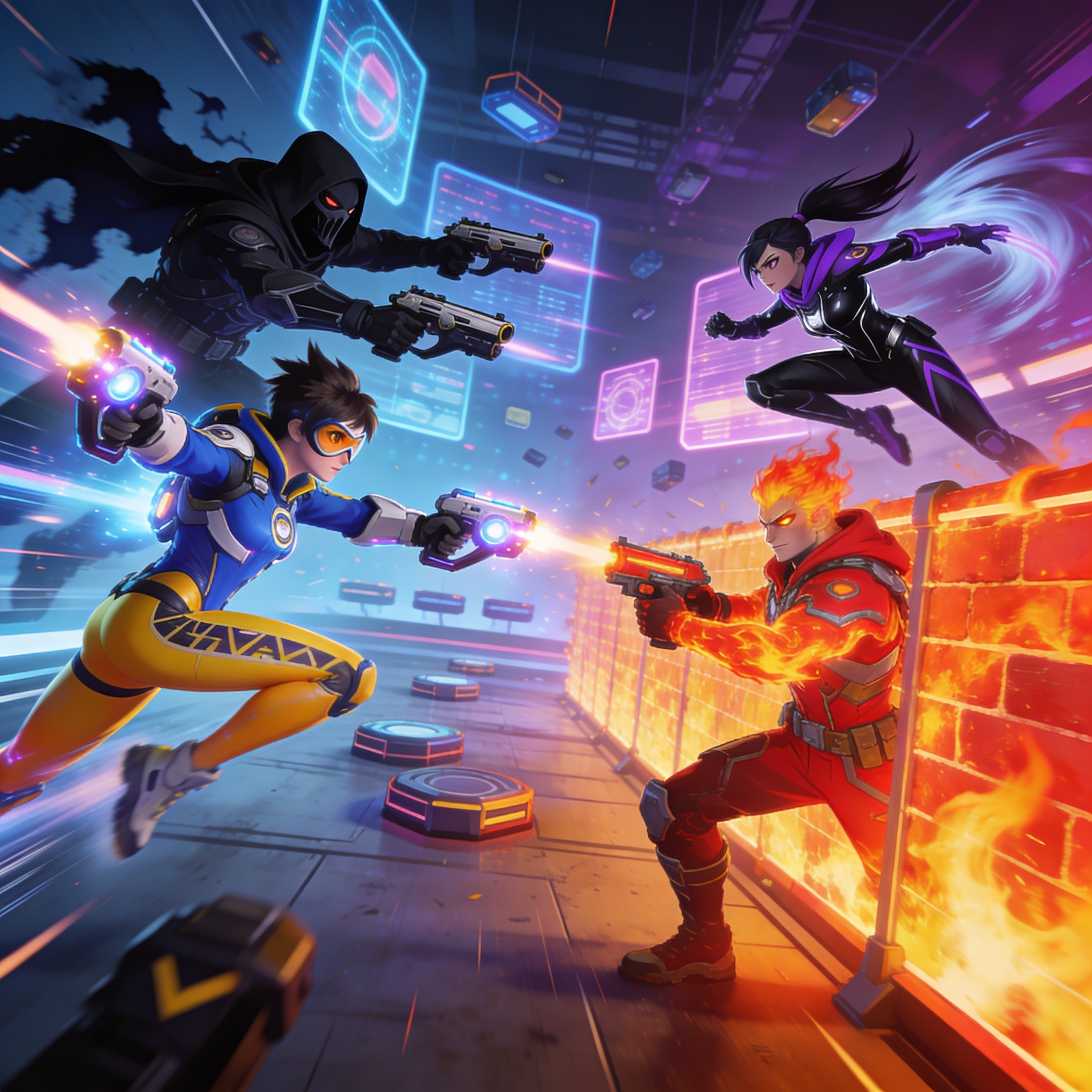
Overwatch 2 delivers a chaotic, high-energy experience where constant movement and ability usage define the gameplay. Matches feel like a superhero battle, with heroes zipping around the map, using their unique abilities, and creating spectacular moments every few seconds. The game's pace is relentless, and downtime is minimal - you're always engaged in the action.
Valorant, on the other hand, takes a more methodical approach. Matches are round-based, similar to Counter-Strike, where each round begins with buying weapons and abilities, followed by tactical execution. The pacing is slower, with more emphasis on positioning, crossfires, and economy management. This creates a more cerebral experience where every decision matters.
Skill Expression and Learning Curve
In Valorant, individual skill shines through precise aim, crosshair placement, and game sense. The learning curve is steep, requiring mastery of recoil patterns, map knowledge, and ability usage. Players who enjoy the satisfaction of improving their mechanical skills will find Valorant deeply rewarding.
Overwatch 2 emphasizes team coordination and ability synergy over raw mechanical skill. While mechanical skill is still important, success often depends on how well you work with your team and utilize your hero's kit. The learning curve is more forgiving, making it accessible to casual players while still offering depth for competitive players.
Competitive Scene and Esports
The competitive landscape differs significantly between these games. Valorant has established itself as a premier esports title with structured leagues, international tournaments, and a clear path to professional play. The game's tactical nature translates well to competitive viewing, with strategic depth that rewards team coordination.
Overwatch 2 has struggled to maintain its competitive scene following the restructuring of the Overwatch League. While there are still tournaments and competitive play, the ecosystem isn't as robust as Valorant's. However, the game's spectator-friendly nature and highlight-reel moments still make it entertaining to watch.
Community and Toxicity
Both games struggle with toxic behavior, but in different ways. Valorant's ranked mode is notorious for its toxic environment, particularly at higher ranks where players are more invested in their performance. The game's emphasis on individual skill can lead to blame-shifting and negative behavior.
Overwatch 2 faces different challenges, with toxicity often stemming from hero selection and team composition disputes. Players can be harsh about meta choices or when teammates don't play the "correct" heroes for the situation.
Time Investment and Commitment
Overwatch 2 matches are shorter, typically lasting 10-15 minutes, making it easier to play in shorter sessions. The game's quick matchmaking and shorter commitment per match make it ideal for players with limited time.
Valorant requires a larger time investment per session, with matches lasting 30-40 minutes. However, the game's structure allows for more meaningful breaks between rounds, making it easier to step away briefly if needed.
Platform Considerations
Overwatch 2 offers cross-platform play across PC, PlayStation, Xbox, and Nintendo Switch, allowing you to play with friends regardless of their platform. This accessibility is a significant advantage for players with diverse gaming setups.
Valorant is PC-only, which limits its accessibility but allows for more precise controls and better optimization for competitive play. The game's reliance on keyboard and mouse controls is integral to its design.
Final Thoughts
The choice between Overwatch 2 and Valorant ultimately depends on what you value in an FPS experience. If you prefer fast-paced, action-packed gameplay with diverse characters and shorter match times, Overwatch 2 is the better choice. If you value tactical depth, precise gunplay, and a strong competitive scene, Valorant will likely be more satisfying.
Both games are free-to-play, so you can try both to see which resonates with your playstyle. Many players enjoy both games for different moods - Overwatch 2 for quick, chaotic fun, and Valorant for more serious, tactical gameplay.
Feature Comparison
| Feature | Overwatch 2 | Valorant |
|---|---|---|
| Game Type | Hero-based FPS | Tactical FPS |
| Match Duration | 10-15 minutes | 30-40 minutes |
| Skill Ceiling | Medium | High |
| Team Size | 5v5 | 5v5 |
| Learning Curve | Moderate | Steep |
| Platform Availability | Cross-platform | PC only |
| Competitive Scene | Limited | Strong |
| Cost | Free (all heroes) | Free (battle pass for agents) |
Verdict
Final Verdict: Which Game Should You Choose?
After extensive analysis of both games, the recommendation depends entirely on your gaming preferences and goals:
Choose Overwatch 2 if:
- You prefer fast-paced, action-packed gameplay
- You want shorter match times for quick gaming sessions
- You enjoy playing with friends across different platforms
- You're new to FPS games or prefer a more accessible experience
- You want to play casually without a steep learning curve
Choose Valorant if:
- You enjoy tactical, strategy-driven gameplay
- You want to improve your mechanical skills and aim
- You're interested in competitive esports and ranked play
- You prefer longer, more meaningful matches
- You enjoy games that reward strategic thinking over raw speed
For competitive players specifically: Valorant currently offers a more structured path to professional play, with clearer tournament circuits and a more established competitive ecosystem. However, Overwatch 2's lower barrier to entry means you might find it easier to climb ranks initially.
For casual players: Overwatch 2's shorter matches and more forgiving gameplay make it ideal for casual gaming sessions. The ability to play with friends on different platforms is also a significant advantage.
Both games are excellent in their own right, and many players enjoy both for different experiences. The best way to decide is to try both games and see which one feels more engaging to you personally.
Last updated: March 12, 2026